
Concrete remains one of the most essential materials in the global construction industry, prized for its durability, strength, and versatility. However, the quest to enhance its performance is unending for engineers and builders alike. By incorporating plasticizers, also known as water reducing admixtures, concrete's properties can be significantly improved. This article explores how these admixtures enhance concrete performance and their vital role in modern construction.

Plasticizers are specialized chemical compounds added to concrete to increase its workability without the necessity of adding more water. Known as water reducing admixtures, they enable the reduction of water needed to reach desired workability levels. This is crucial because excessive water can compromise the concrete's strength.
The Composition of Plasticizers
Plasticizers are composed of various chemical compounds that interact with cement particles. These compounds can include lignosulfonates, polycarboxylates, and melamine formaldehyde sulfonates. Each compound has unique properties that affect the plasticizer's performance, catering to different requirements of a construction project.
The Role of Plasticizers in Concrete Mixing
During the concrete mixing process, plasticizers play a key role in modifying the viscosity of the mix. By reducing internal friction among the particles, they facilitate smoother mixing, pouring, and setting. This reduced viscosity is crucial for achieving uniformity and consistency in the final concrete structure.
Environmental Impact of Using Plasticizers
The integration of plasticizers not only enhances concrete performance but also offers environmental benefits. By reducing the water content in concrete mixes, plasticizers help conserve water resources. Moreover, the reduction of cement usage, a major component of concrete, leads to a decrease in carbon emissions, promoting more sustainable construction practices.
Types of Plasticizers
Plasticizers are categorized based on their effectiveness in reducing water content and enhancing workability. Understanding the different types is essential for selecting the appropriate admixture for a specific project.
Normal Plasticizers
Normal plasticizers are used to slightly improve the workability of concrete. They typically reduce water content by about 5–10%, making them suitable for standard construction projects where moderate enhancement is needed.
Superplasticizers
Superplasticizers, or high range water reducers (HRWR), are more potent than normal plasticizers. They can decrease water content by up to 30%, significantly enhancing concrete's workability and strength. These are ideal for complex projects with intricate designs or high-load requirements.
Mid-Range Plasticizers
Mid-range plasticizers offer a balance between normal and superplasticizers. They provide moderate water reduction and workability improvement, suitable for projects that need more than a slight enhancement but not as demanding as those needing superplasticizers.
Benefits of Using Plasticizers in Concrete
Improved Workability
Plasticizers significantly enhance the workability of concrete by reducing the required water content. With improved fluidity, the concrete is easier to mix, pour, and finish—especially beneficial in projects involving dense rebar configurations or complex formworks.
Advantages in Complex Architectures
In architectural projects where intricate detailing and complex forms are prevalent, enhanced workability ensures precise placement. Plasticizers allow seamless filling of molds and formworks, resulting in smooth finishes and accurate representations of designs.
Efficiency in Construction Processes
Improved workability streamlines construction, reducing labor and time. This translates into cost savings and faster project completion.
Adaptability to Varying Conditions
Plasticizers help concrete adapt to varying environmental and site conditions—maintaining consistent performance in both hot and cold climates.
Enhanced Strength
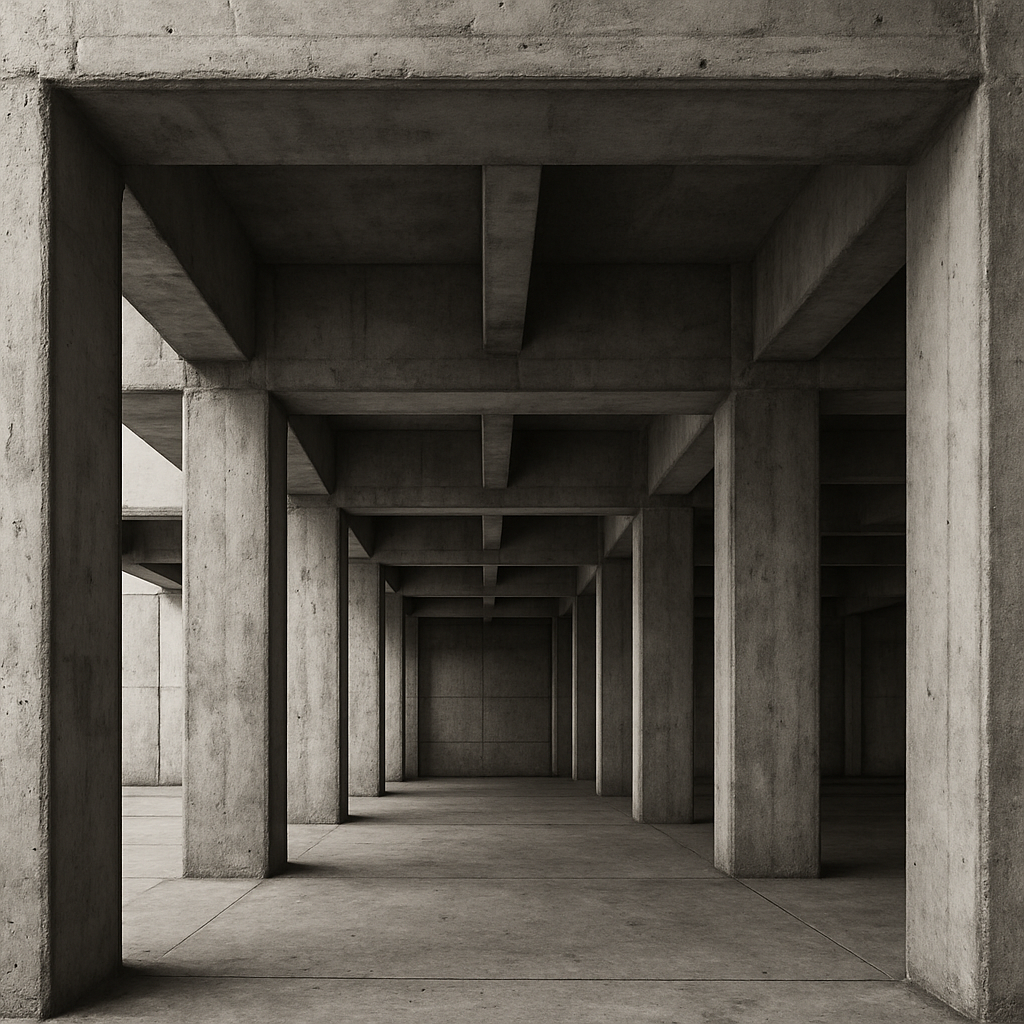
Reducing the water-cement ratio while maintaining workability results in stronger, denser concrete. This increased strength is crucial for high-load applications such as bridges and high-rise buildings.
Impact on Load-Bearing Capacity
Enhanced strength leads to better load-bearing capacity, enabling the construction of taller and more durable structures.
Resistance to Structural Stress
Stronger concrete resists stress and deformation better—essential in earthquake-prone regions.
Long-Term Performance
Reduced maintenance needs and extended lifespan make plasticized concrete a cost-effective choice.
Increased Durability
Plasticizers improve durability by reducing porosity—making concrete more resistant to freeze-thaw cycles, chemicals, and abrasion.
Protection Against Environmental Elements
Lower porosity provides a barrier against environmental damage, vital in industrial or harsh climates.
Longevity in Diverse Conditions
Durable concrete ensures long-term reliability in demanding environments.
Cost Efficiency Over Time
Fewer repairs and longer life cycles result in significant cost savings, especially in public infrastructure projects.
Reduced Shrinkage and Cracking
Plasticizers reduce drying shrinkage, minimizing cracks and enhancing both aesthetics and structural integrity.
Aesthetic Improvements
Smoother finishes enhance architectural appeal.
Structural Integrity
Minimized cracking preserves safety and load-bearing performance.
Prevention of Long-Term Deterioration
Reducing cracking helps prevent water ingress and structural weakening over time.
How Plasticizers Work
Plasticizers disperse cement particles efficiently, allowing for better water utilization and reduced total water requirement.
Mechanism of Action
They break down cement agglomerates via electrostatic repulsion and steric hindrance, improving hydration and uniformity.
Electrostatic Repulsion
Creates repelling charges on cement particles, ensuring even distribution in the mix.
Steric Hindrance
Physically prevents particles from clumping, leading to smoother mixes and stronger final products.
Chemical Interaction
Understanding interactions between plasticizers and cement is key to optimizing concrete performance.
Influence on Cement Hydration
Plasticizers affect cement hydration, allowing control over setting times and workability.
Accelerated Setting
Useful for rapid construction where fast curing is required.
Extended Workability
Helps in complex or large pours, giving more time for precision placement.
Control Over Curing Process
Allows fine-tuning curing behavior to meet performance requirements.
Practical Applications of Plasticizers
Plasticizers are used in all major construction categories—residential, commercial, infrastructure, and precast.
Residential and Commercial Buildings
 by
by Plasticizers enhance both the aesthetic and structural quality of buildings—supporting smooth finishes and durable frames.
Infrastructure Projects
Superplasticizers are ideal for highways, bridges, and tunnels—offering load capacity, durability, and reduced maintenance.
Precast Concrete
Improved workability enables precision casting of beams, slabs, and columns—essential for prefabricated construction efficiency.
Choosing the Right Plasticizer
Selecting the right plasticizer depends on workability, strength, climate, and structural needs.
Evaluating Project Requirements
Analyze project conditions such as climate, load demand, and design complexity before selection.
Climate Considerations
Hot climates benefit from plasticizers that delay setting, while cold climates may need faster-curing types.
Structural Demands
High-load structures often require superplasticizers.
Design Complexity
Intricate molds and architectural forms demand plasticizers that enhance flow and precision.
Example: Concrete Water Reducer Plasticizer JH260
JH260 is a high-performance superplasticizer known for its excellent water reduction and improved concrete strength.
Advantages of JH260
- Superior water reduction (up to 30%)
- Enhanced strength and durability
- Improved workability and surface finish
Applications in Diverse Projects
Ideal for high-rises, infrastructure, and precast elements, delivering consistent performance across varied conditions.
User Recommendations
Builders praise JH260 for reliability, faster project timelines, and smoother finishes.
Conclusion
Plasticizers play a vital role in modern construction by enhancing concrete’s workability, strength, and durability. From small residential projects to massive infrastructure developments, their use leads to better performance and sustainability.
By understanding how plasticizers work and their advantages, builders and engineers can make informed decisions to achieve durable, strong, and aesthetically superior results. The continued innovation of these admixtures will continue shaping the future of construction through improved efficiency, sustainability, and design.